Amir Berger · 14 October 2026
The Evolution of Craftsmanship Traditions and Their Integration with Sustainable Building Materials in Mountain Communities
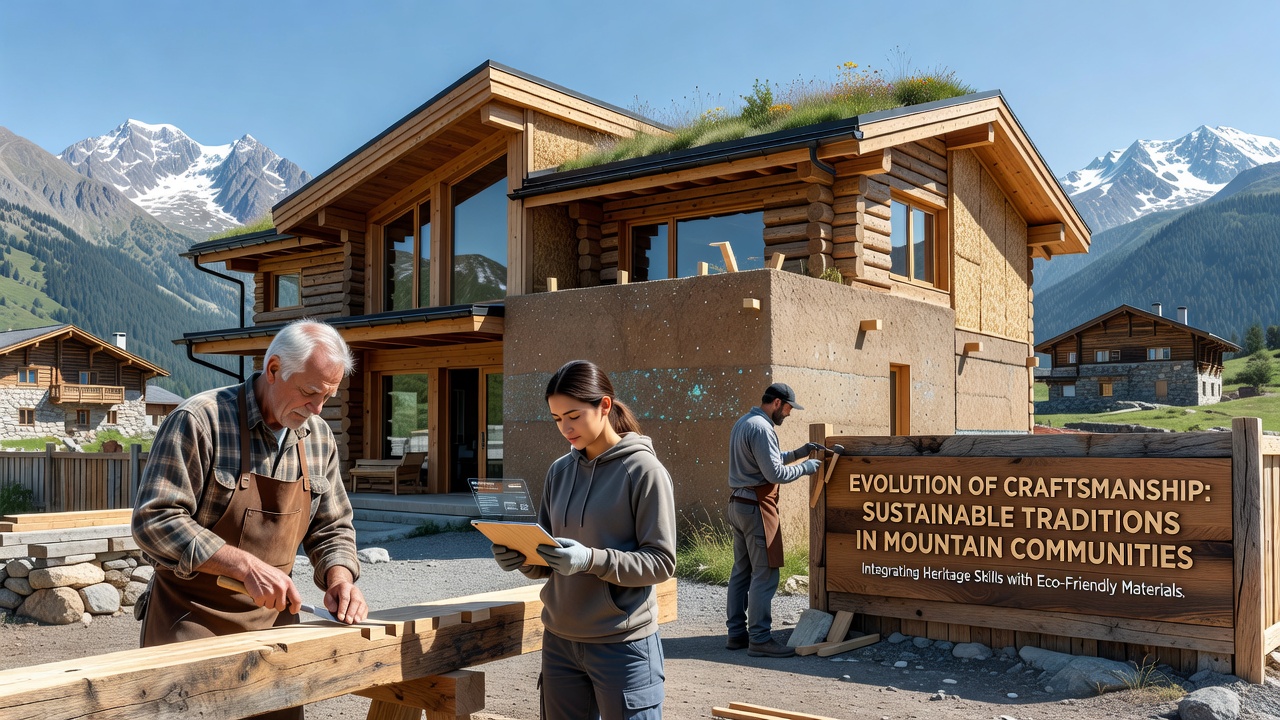
Mountain communities have long relied on locally available resources to shape their built environments, and this practice traces back through centuries of adaptation to steep terrain, variable climates, and limited transport options. Early builders selected stone for foundations, timber for framing, and thatch or slate for roofing because these materials required minimal processing yet withstood heavy snow loads and seismic activity. Over time, these choices evolved into distinct regional styles documented in architectural surveys across the Alps, the Andes, and the Himalayas, where each generation refined joinery methods and load-bearing calculations passed down through apprenticeships.
Historical Development of Craft Techniques
Craft traditions in these areas developed around seasonal labor cycles, with workers gathering materials during warmer months and assembling structures when weather permitted. Records from 19th-century European mountain villages describe masons who cut and dressed local granite using hand tools, while carpenters employed scarf joints and pegged connections that allowed timber frames to flex during temperature shifts. Similar approaches appear in North American records from the same period, where log notching techniques in the Rockies minimized gaps that could admit wind or moisture. These methods prioritized durability over speed, and they produced buildings that often lasted multiple generations with only routine maintenance.
By the early 20th century, some communities began incorporating metal fasteners and milled lumber transported by rail or early truck routes, yet core practices remained tied to hand skills. Observers note that this gradual layering of new tools onto older knowledge created hybrid forms, such as stone walls topped with lighter timber upper stories that reduced overall weight on foundations.
Shift Toward Sustainable Material Sourcing
Contemporary efforts focus on materials that maintain structural performance while lowering embodied carbon. Data from the UN Environment Programme shows increased use of certified timber harvested under selective cutting regimes that preserve watershed stability in upland forests. Recycled steel appears in reinforcement elements for retaining walls, and locally quarried stone continues as a primary cladding because it requires no long-distance shipping. In several Andean regions, builders now combine traditional adobe with straw reinforcement that improves tensile strength without synthetic additives.
Researchers at institutions in Canada and Switzerland have measured thermal performance of these updated assemblies and found that thick stone and timber walls provide effective insulation when paired with modern vapor barriers derived from plant-based compounds. Supply chains have shortened as communities establish small-scale milling operations that process wind-fallen trees rather than clear-cut stands, a practice supported by forestry guidelines issued by the European Union in recent years.
Current Integration Practices
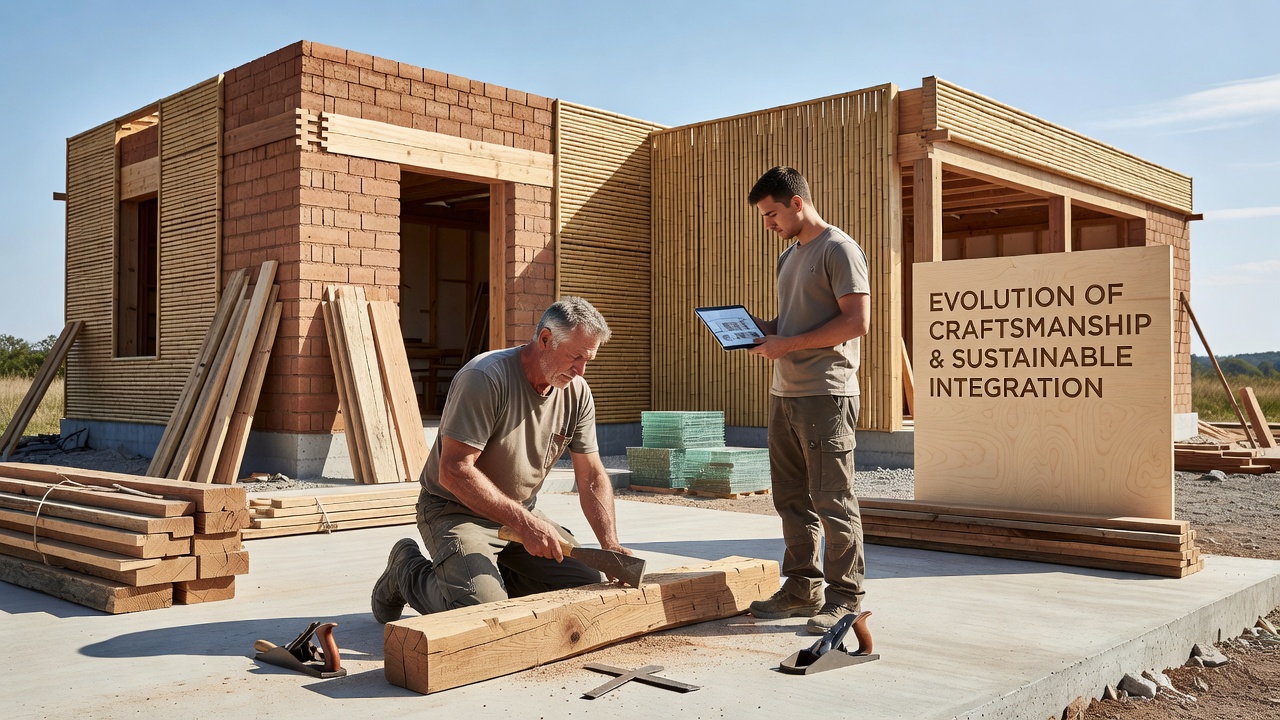
Training programs in mountain regions now combine apprenticeship models with technical certification in energy modeling software. A 2026 report released in October by the International Mountain Partnership documented over 120 active workshops across 18 countries that teach both traditional timber framing and low-impact insulation techniques using sheep's wool or cellulose from recycled paper. Participants learn to calculate snow-load requirements while selecting materials that meet updated seismic codes without relying on imported concrete.
Case examples include villages in the Japanese Alps where carpenters retrofit older homes with cross-laminated timber panels produced from regional plantations, and settlements in the Sierra Nevada of California that pair salvaged redwood beams with rammed-earth infill walls. These projects demonstrate measurable reductions in heating demand compared with older single-wall constructions, according to monitoring data collected by regional universities.
Challenges and Measured Outcomes
Logistical constraints remain significant because steep access roads limit the size of equipment that can reach many sites. Builders therefore favor modular components that can be carried by hand or small vehicles and assembled on location. Figures released by the Food and Agriculture Organization indicate that communities using these combined approaches report lower rates of material waste during construction phases. Maintenance schedules have also adapted, with inspections now incorporating drone imagery to identify weathering on high roofs without requiring extensive scaffolding.
Policy frameworks in countries such as Norway and New Zealand encourage retention of craft knowledge through grants that fund documentation of joinery patterns and material recipes. These records serve as references for new projects that must comply with both heritage guidelines and contemporary energy standards.
Conclusion
The integration of longstanding craftsmanship with updated material choices continues across mountain regions through documented training initiatives, measured performance data, and supply practices that emphasize local sourcing. Ongoing monitoring by international organizations provides quantitative records of how these adaptations affect durability and resource use, while regional workshops ensure that hand skills remain part of the construction process.