Amir Berger · 28 October 2026
The Way Local Legends Guide Responses to Environmental Changes in Remote Valley Settlements
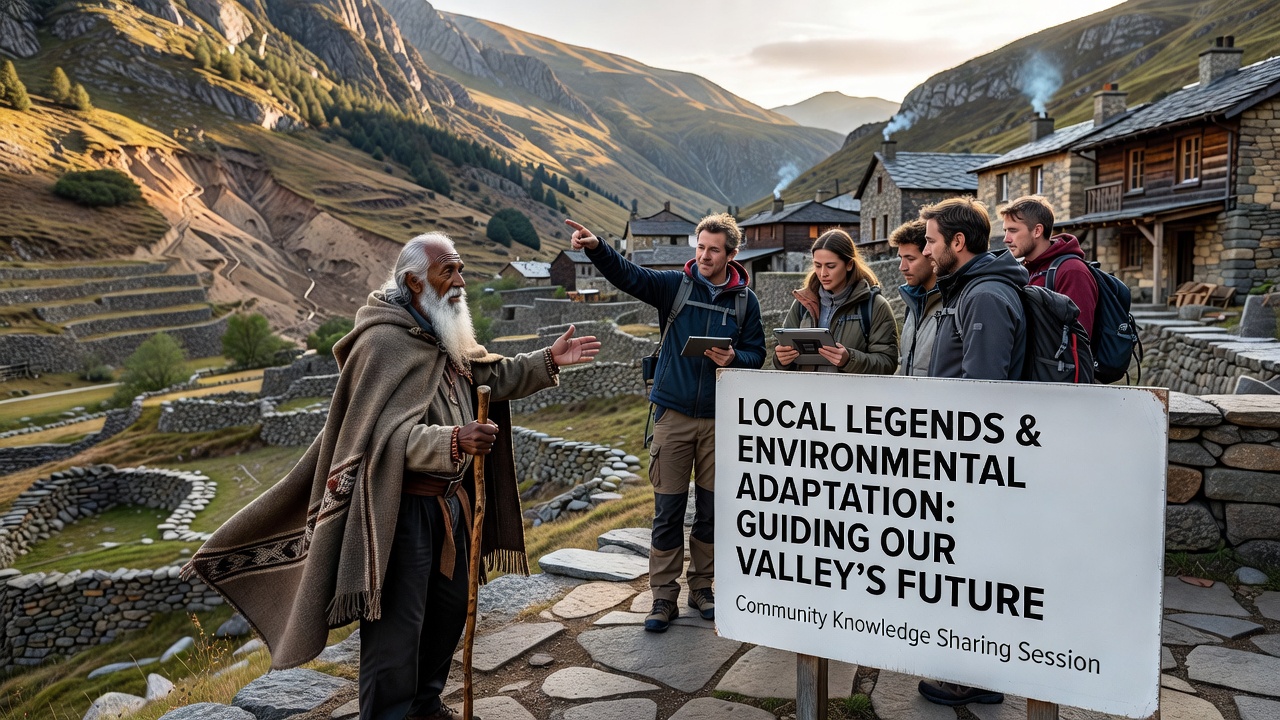
Remote valley settlements have long relied on local legends to shape their reactions to shifting environmental conditions, and these narratives often transmit practical knowledge across generations about weather patterns, flood risks, and resource availability. Observers note that such stories encode observations of glacial movements, river behaviors, and soil changes that help communities decide where to plant crops or relocate livestock during periods of instability. Data from field studies conducted through October 2026 indicate that these traditions continue to influence settlement planning in isolated regions across multiple continents even as modern monitoring tools become more accessible.
Transmission of Environmental Knowledge Through Oral Traditions
Legends in these valleys frequently describe spirits or ancestral figures that warn of impending changes such as sudden thaws or prolonged dry spells, and researchers have documented how these tales align with measurable hydrological data in areas like the Andes and the Himalayas. People in such communities recount specific episodes where following a legend led to the avoidance of landslide zones or the selection of drought-resistant planting sites, while those who disregarded the stories faced repeated setbacks. Studies from the University of British Columbia have tracked how these oral accounts correlate with satellite imagery of vegetation boundaries over decades, revealing consistent patterns rather than random folklore.
Communities pass down the legends during seasonal gatherings, and the stories adapt slightly with each telling to incorporate new observations without losing their core directives about safe zones and resource timing. This process allows settlements to respond to gradual shifts like altered snowmelt schedules or increased storm intensity by adjusting grazing routes or water storage methods in line with narrative precedents. Figures from environmental monitoring programs show that valleys maintaining strong legend-based practices report lower rates of crop failure during extreme events compared to neighboring areas that have shifted away from these traditions.
Case Examples from Diverse Valley Regions
One settlement in a high-altitude South American valley maintains legends about mountain guardians that signal when to move herds before heavy rains erode trails, and residents still consult these accounts alongside weather forecasts when planning seasonal migrations. In contrast, a Central Asian valley community draws on tales of river spirits that historically predicted flood cycles, leading current inhabitants to reinforce specific bank areas rather than expand housing outward. Australian research institutions have examined similar dynamics in Tasmanian highland valleys where Aboriginal legends about fire and water flows continue to inform controlled burn schedules and catchment management.
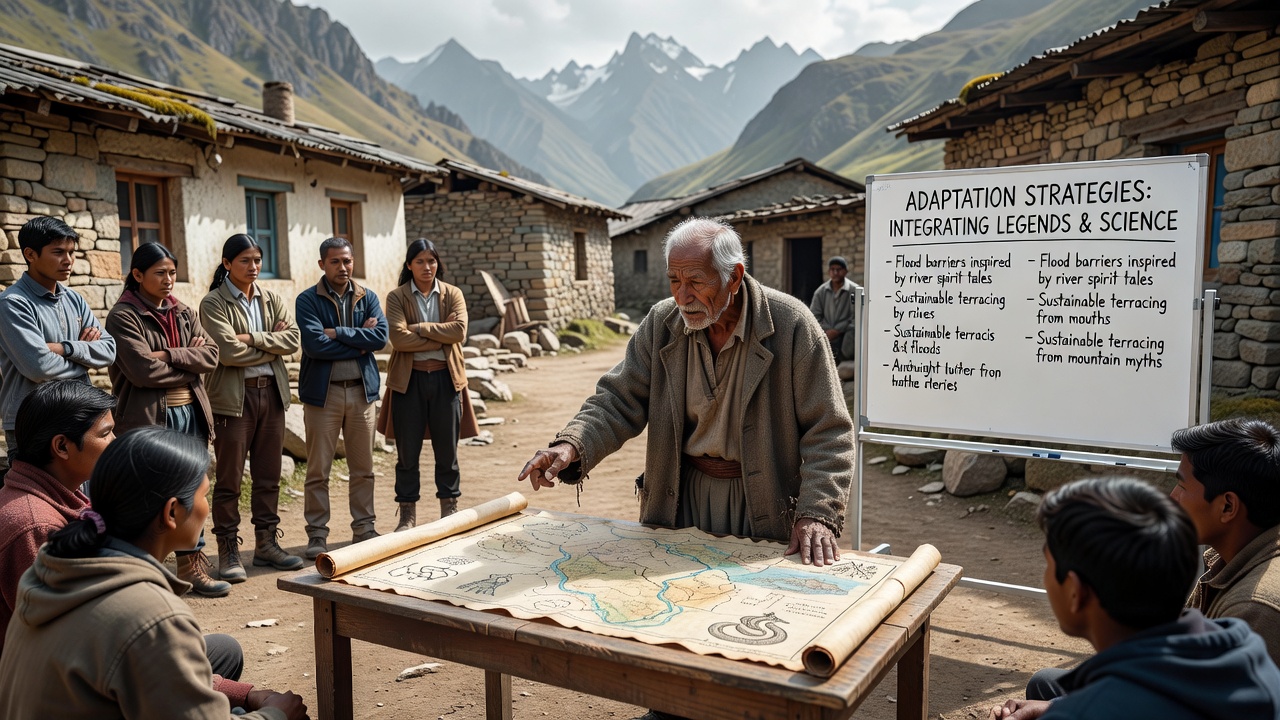
These examples illustrate how legends function as adaptive frameworks rather than static myths, and external organizations such as the UN Environment Programme have noted their utility in regions where formal infrastructure remains limited. Settlements that integrate legend-derived knowledge with emerging climate data often achieve more stable outcomes during periods of rapid change, according to reports compiled through late 2026. What's interesting is that the legends emphasize observation of subtle indicators like insect behavior or plant flowering times, which align with scientific phenology records in several documented cases.
Integration with Contemporary Environmental Monitoring
Modern valley residents increasingly combine legend-based guidance with instruments such as river gauges and soil sensors, yet the narratives retain priority when data conflicts arise because they carry accumulated evidence from centuries of local experience. Experts have observed that this hybrid approach helps communities prioritize actions during events like unexpected glacial lake outbursts or prolonged heatwaves that strain traditional water systems. Research published by Canadian academic groups demonstrates measurable reductions in erosion damage where legend-recommended buffer zones around waterways remain enforced despite pressure for expanded agriculture.
Challenges emerge when younger generations migrate outward and the oral transmission weakens, leaving gaps in the collective response framework during environmental stress. Still, several programs now record legends in digital formats to preserve the embedded instructions about slope stability and seasonal resource allocation. Data collected through October 2026 across multiple sites suggests that valleys sustaining these records experience faster recovery after events such as flash floods compared to those without active legend integration.
Conclusion
Local legends in remote valley settlements serve as repositories of environmental observation that continue to direct practical responses to changes in climate and landscape, and evidence from ongoing studies confirms their alignment with physical measurements in numerous locations. Communities that maintain these traditions demonstrate structured adaptations to floods, droughts, and temperature shifts through inherited guidelines rather than ad hoc decisions. As monitoring technology expands, the legends provide contextual depth that instruments alone cannot supply, supporting more resilient settlement patterns over time.